Emergency Preparedness for Solo Adventurers: Travel Safely

Reading time: 8 minutes
When Jenna lay in her hotel room in Bangkok with a high fever and didn't know which hospital emergency number to call, it hit her painfully: emergency preparedness for travel abroad is not a luxury but a matter of life and death. The 46-year-old solo traveler did have travel health insurance, but no contact details at hand, a mistake she would never make again.
Solo adventurers over 40 enjoy the freedom of making their own decisions and exploring new destinations. But without a travel partner, that also means: in an emergency, you're on your own. With the right preparation, you turn potential crisis situations into manageable challenges.
Travel health insurance: your most important travel companion
Statutory health insurance in Germany covers medical treatment abroad only to a limited extent. Outside the EU, you usually pay everything out of pocket. Travel health insurance from the German insurer HanseMerkur costs from $19 a year for trips of up to 56 days and covers not only doctor's fees but also the medically necessary repatriation to Germany, which can easily cost $55,000 or more.
When comparing plans, look out for the following benefits: coverage for pre-existing conditions, emergency dental treatment, search and rescue costs, and a 24-hour emergency hotline in your language. Allianz Travel and ERGO Direkt offer special rates for long-term travelers over 40 that cover trips lasting up to a year. Download your insurance policy as a PDF to your smartphone and save the emergency number directly in your contacts under "Emergency Insurance."
Putting together important emergency contacts for trips abroad
A structured emergency list saves valuable time when it counts. In addition to your travel health insurance, the following contacts belong on your list:
- Your country's embassy or consulate in the destination country, with the address and 24-hour emergency number
- Card-blocking emergency number 116 116 for credit and debit cards in Germany (works from all countries)
- Emergency numbers of the destination country (in Thailand, for example, 191 for police, 1669 for ambulance)
- Emergency contact at home: a trusted person with copies of your documents
- Your family doctor's contact with information on pre-existing conditions and medication
Create an emergency document in Google Docs or Dropbox that you can also access offline. The app "ICE – In Case of Emergency" stores medical information and emergency contacts so they're accessible even when your smartphone is locked. When you're traveling alone, at least one person at home should know your approximate whereabouts and your itinerary.
Medical emergency preparedness on long-distance trips without a companion
Six weeks before departure, you should have a travel-medicine check-up with your family doctor or a tropical medicine clinic. The Bernhard Nocht Institute for Tropical Medicine in Hamburg has advised travelers since 1900 and offers special consultation hours for solo adventurers. For Bali, for example, the institute recommends a hepatitis A vaccination, typhoid prophylaxis, and, depending on the region, malaria protection.
Have a multilingual medical certificate issued if you take medication regularly. This considerably simplifies airport checks and communication with doctors abroad. If you have diabetes, heart disease, or allergies, you should carry an international emergency card, available from your family doctor or as a digital version in the "MedID" app.
Don't neglect preventive check-ups
From 40 on, the risk of cardiovascular problems rises. A stress ECG before a trekking tour in the Himalayas or a cruise gives you certainty about your physical fitness. Many health insurers cover the cost of about $65 as an individual health service before long-distance trips.
Packing a travel medicine kit and first-aid kit properly
A well-stocked travel medicine kit weighs about 1 pound (500 grams) and fits in a waterproof bag. According to recommendations from the German Society for Tropical Medicine, it should contain: pain relievers (ibuprofen 400 mg), anti-diarrheal medication (loperamide), electrolyte powder, disinfectant spray, sterile gauze pads, blister plasters, SPF 50 sunscreen, insect repellent with DEET, and a digital fever thermometer.
For divers, vinegar for jellyfish stings is indispensable, and hikers should pack an elastic bandage for sprains. Taking antibiotics along as a precaution is controversial; discuss it individually with your family doctor. In Southeast Asia, many medications are available without a prescription, but Islamic countries have strict rules for psychotropic drugs and strong painkillers.
Special equipment for outdoor adventures
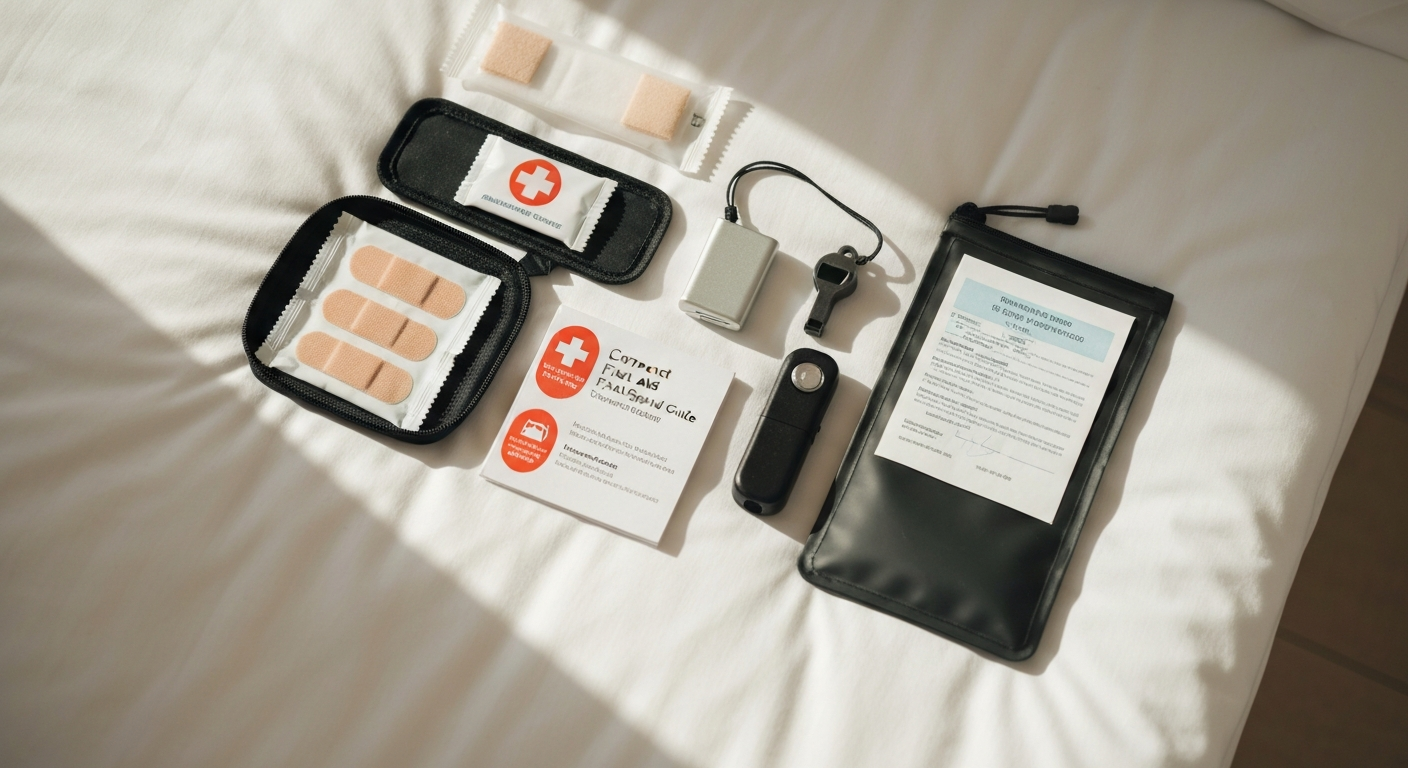
On trekking tours or camping trips, your first-aid kit expands to include an emergency blanket, tick tweezers, blister plasters in various sizes, and waterproof plasters. Tatonka's compact outdoor first-aid kit weighs 6 ounces (180 grams) and contains materials assembled especially for hikers. A survival whistle and a small LED flashlight are also part of the basic equipment.
Safety precautions for solo adventurers over 40
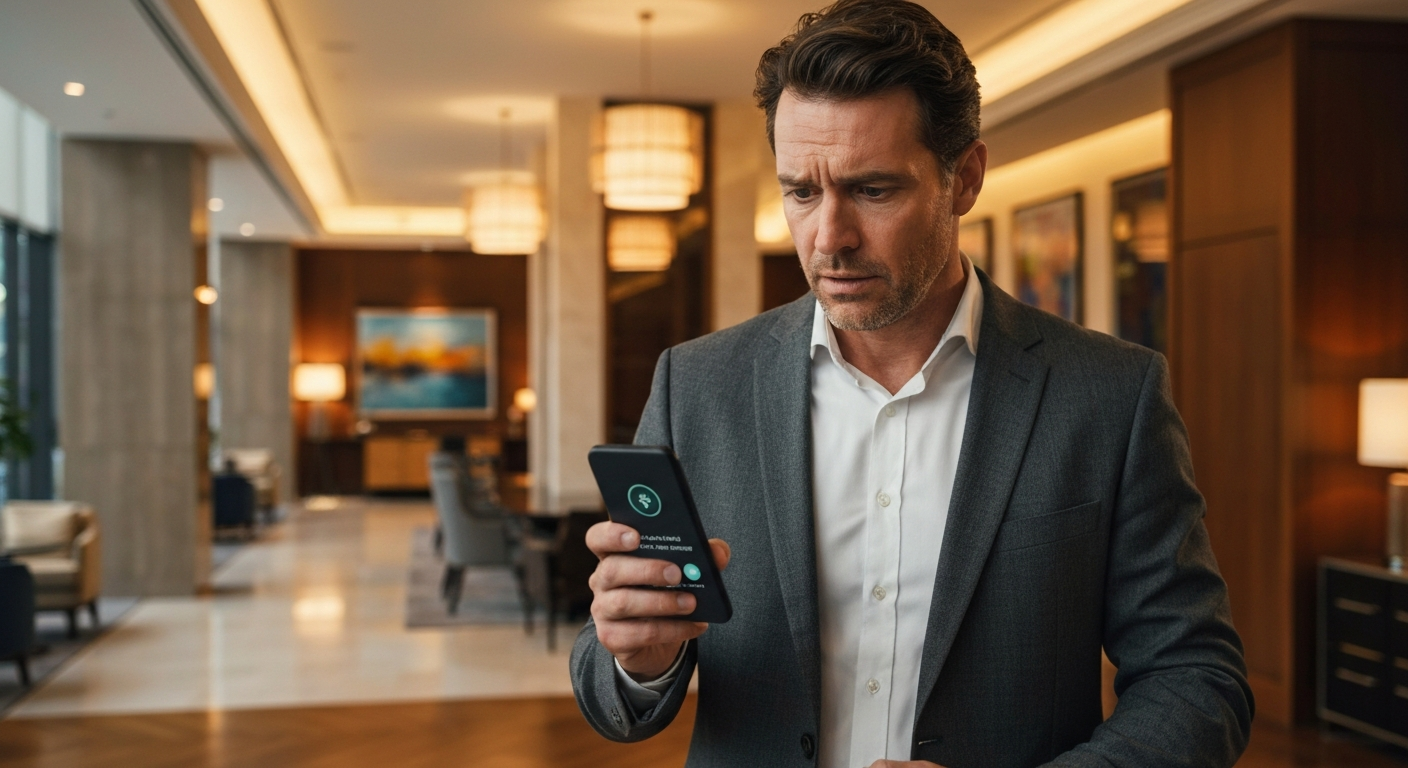
According to a 2023 study by the German Travel Association, 68 percent of women over 40 traveling alone feel just as safe on trips as at home; preparation makes the difference. Before departure, register in the crisis-preparedness list "Elefand" of Germany's Federal Foreign Office. In the event of natural disasters, political unrest, or terrorist attacks, the embassy can then contact and evacuate you more quickly.
Share your location via WhatsApp or Google Maps with a trusted contact, especially on excursions to remote areas. The "bSafe" app automatically sends an emergency text with GPS coordinates to stored contacts if you miss a preset time, ideal for solo hikes or trekking tours.
Understanding and using local health systems
Medical care differs considerably around the world. In Thailand, Bumrungrad International Hospital in Bangkok is considered one of the best hospitals in Asia, with German-speaking staff. Treatment costs are about 60 percent below German levels at comparable quality. Before departure, research which clinics in your destination region meet international standards.
The International Association for Medical Assistance to Travellers (IAMAT) lists more than 1,500 English-speaking doctors worldwide who bill according to standardized fees. Membership is free and gives you access to a global database of trustworthy physicians. In countries like India or Costa Rica, you should visit only private clinics; public facilities often have long waiting times and language barriers.
Telemedicine as a digital lifeline
Since 2020, services like TeleClinic or Medgate have offered international video consultations around the clock. For $54 a year, you get unlimited medical advice by video call from DKV, even from abroad. For unclear symptoms, medication questions, or deciding whether a doctor's visit is necessary, this saves time and nerves.
Mentally rehearse emergency scenarios
What do you do if your passport is stolen? Where do you go after a traffic accident? Mental preparation considerably reduces panic in an emergency. If you lose documents, contact the nearest diplomatic mission of your country immediately; it will issue an emergency travel document within 24 hours that is valid for the trip home.
In accidents with injuries, first call the local emergency number and then your travel health insurance. Its assistance team will arrange transport to a suitable clinic if needed and make sure costs are covered. Always document accidents with photos and collect contact details of witnesses; this makes later insurance claims easier.
Overcoming language barriers in a medical emergency
The "Google Translate" app works in over 100 languages, even offline, after downloading the language packs in advance. The camera function translates signs, prescriptions, and medical instructions in real time. Even more precise is "MediBabble," an app specialized in medical communication with prepared phrases for describing symptoms and diagnoses.
Learn basic medical terms in the local language: "I need a doctor," "I have pain here," "I'm allergic to..." These simple sentences can be decisive in rural regions where people don't speak English. The World Health Organization (WHO) provides free pictograms for common medical situations that you can print out and carry in your wallet.
Frequently asked questions about emergency preparedness for travel abroad
Which travel health insurance is best for solo adventurers over 40?
HanseMerkur and ERGO Direkt offer tailored plans specifically for solo travelers over 40 with worldwide coverage, repatriation, and 24-hour assistance. Look for coverage limits of at least $5.5 million and no age restriction when signing the contract.
How do I create a digital emergency folder for trips abroad?
Scan all important documents (passport, insurance policies, vaccination record, credit cards) and upload them to a password-protected cloud storage service like Dropbox or Google Drive. Also save offline copies on your smartphone and send copies to a trusted contact at home.
What belongs in a travel medicine kit for multi-day trekking tours?
In addition to the basic travel medicine kit: a broad-spectrum antibiotic after consulting your doctor, altitude sickness medication (Diamox on tours above 8,200 feet / 2,500 meters), water purification tablets, extra blister plasters, and an emergency blanket. Carry all prescription medications with a doctor's certificate.
When should I contact my embassy abroad?
In case of lost travel documents, arrest, serious accidents or hospital stays, natural disasters or political unrest, and deaths. However, the embassy cannot cover costs, replace legal advice, or pay for medical treatment; that is the job of your insurance.
Do I need special vaccinations for popular singles travel destinations?
For Thailand, Bali, and Vietnam, Germany's Federal Foreign Office recommends hepatitis A and B, typhoid, and, depending on the region, Japanese encephalitis. For Costa Rica and Panama, a yellow fever vaccination is required when entering from endemic areas. Consult a tropical medicine institute 6-8 weeks before departure for individual advice.
Practical tools and apps for more safety
The "TravelSafe" app combines offline maps, emergency numbers for over 200 countries, and a built-in alarm button. When activated, it automatically sends your GPS position to stored emergency contacts. "SafetyWing" offers flexible health insurance especially for digital nomads and long-term travelers from $37 a month, which you can also activate during the trip.
For financial emergencies, you should carry at least two credit cards from different providers, ideally Visa and Mastercard, since these are accepted best worldwide. Hide an emergency credit card and $220 in cash separately from your main luggage, for example in a money belt or a hidden compartment in your suitcase.
Keeping regional particularities in mind
In the U.S., even simple emergency treatments can cost thousands of dollars; an appendectomy comes to an average of $33,000 according to a 2021 study by Johns Hopkins University. Here, travel health insurance with a high coverage limit is absolutely indispensable. In Scandinavian countries, by contrast, you benefit from free basic care with the European Health Insurance Card, but you should still be insured for repatriation.
If you're traveling as a single, it's worth investing in trip cancellation insurance with an upgrade option for trip interruption. It kicks in if you have to come home early because of illness or a family emergency, costs that fall entirely on you as a solo adventurer.
After your return: don't forget a health check
Even after a successful return home, if symptoms persist within three months you should see a tropical medicine specialist. Malaria can break out weeks after returning, and dengue fever sometimes shows up only late. Always tell the doctor about your travel destinations and the regions you visited; this makes diagnosis considerably easier.
Conclusion: preparation makes the difference
Emergency preparedness for travel abroad doesn't mean constantly expecting the worst, but relaxed enjoyment of the freedom of traveling alone. With the right travel health insurance, a well-stocked travel medicine kit, and important emergency contacts at hand, you turn potential risks into calculable contingencies. Jenna from the opening example now travels with a waterproof emergency pouch in which all contacts, medications, and documents are organized, and she enjoys her solo trips more relaxed than ever. Start your checklist now and then book your next solo trip with peace of mind. The world is waiting for you!