Solo Travel Over 40: Smart Packing List for Solo Travelers
Reading time: 11 minutes
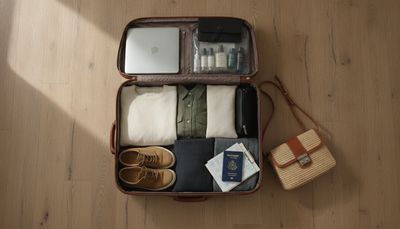
The suitcase is lying open on the bed, you leave in three days - and you're wondering what exactly you really need for your solo trip over 40. As a solo traveler, you're not just packing for yourself, but for every eventuality that can come up without a travel partner. The right packing list makes the difference between relaxed travel and avoidable stress.
This packing list is based on practical experience and focuses on things that make particular sense for people over 40 traveling alone. No superfluous gear, just well-thought-out companions for more safety, comfort and flexibility on the road.
Documents and Digital Copies: Better Safe Than Sorry
On a solo trip over 40, you and your documents are inseparable. Without a partner who can help in an emergency, you need a watertight system.
Create a digital document folder. Scan your passport, driver's license or ID card, health insurance card, vaccination record and all booking confirmations. Save these files in a cloud service and also offline on your smartphone. If they're lost or stolen, this makes replacing them considerably easier.
Also pack two passport photos. You'll need these for an emergency passport at the embassy or consulate if your passport gets lost. It costs a few cents, but in a real emergency it saves days of waiting.
A credit card and a debit card from different providers should be stored separately, one in your wallet and one in your luggage. That way you can still pay if you lose a card. Write down your bank's international hotline number separately - ideally as an encrypted entry in your phone.
Safety Gear for Solo Travel Over 40: Small Helpers with a Big Impact
Safety on singles trips doesn't mean paranoia, it means preparation. These items give you control in unfamiliar situations.
A door stopper alarm costs about $15 and fits in any handbag. In the evening, you wedge this small rubber device under the hotel room door. If someone tries to open the door, it sets off a 120-decibel alarm. Especially in smaller accommodations without electronic room locks, it gives you a much better feeling when you sleep.
A compact flashlight also belongs in your luggage. Choose an LED model with at least 150 lumens. That's enough for dark hotel hallways, remote paths or power outages. Models with USB charging save you from buying batteries on the road.
An RFID-blocking sleeve protects your credit cards from digital data theft. These protective covers cost between $10 and $25 and prevent contactless skimming of card data on crowded public transportation.
Health on the Road: Taking Responsibility as a Solo Traveler
Without a travel companion, you take on complete responsibility for your health. A well-stocked travel first aid kit isn't a luxury, it's a must.
Pack your regular medications for the entire length of the trip plus five days' extra. Split them between your carry-on and your suitcase. For prescription medications, bring an English or international note from your doctor confirming the medication name and dosage.
Your first aid kit should contain: pain relievers such as ibuprofen, remedies for stomach and digestive complaints, blister pads in various sizes, disinfectant, sterile gauze pads, a thermometer and tweezers. For long-haul trips, add electrolyte powder against dehydration and a broad-spectrum antibiotic after consulting your doctor.
The European Health Insurance Card covers basic care in EU countries for people insured in the EU. For trips outside Europe, take out international travel medical insurance. Make sure it also covers medical evacuation back home. Good plans cost between $10 and $25 a year.
Tech Gear: Communication and Navigation for Solo Travelers
Your smartphone becomes a survival tool on a solo trip over 40. The right tech setup keeps you connected and oriented.
A power bank with at least 10,000 mAh capacity fully charges your smartphone two to three times. Choose a model with two USB ports so you can charge your phone and smartwatch at the same time. On day trips without a safe place to charge, that gives you peace of mind.
A universal travel adapter with USB ports works in over 150 countries. Models with three USB ports cost about $25 and save you several separate plugs. Before your trip, check the plug types of your destination country.
Download offline maps for your destination. Google Maps and Maps.me offer this feature for free. That way you can navigate safely through unfamiliar cities even without an internet connection. Save important places such as your hotel, the train station and the embassy as favorites ahead of time.
Communication Without Roaming Traps
A local SIM card costs between $5 and $15 in most countries and delivers much cheaper mobile internet than roaming. Before you leave, check whether your smartphone is unlocked. Within the EU, roaming has been free since June 2017; outside Europe, costs can quickly run into three figures.
Install WhatsApp or Signal for free communication over Wi-Fi. Tell friends and family your itinerary and agree on regular check-ins. A short group chat every two to three days reassures the people back home and gives you a safety net, too.
Packing Clothes Smart: Less Is More
As a solo traveler, you carry your own suitcase. The right clothing strategy saves weight and significantly increases your mobility.
Layering works in almost every climate zone. Pack three to four tops that can be mixed and matched, two pairs of pants or skirts and a light jacket. Merino wool regulates temperature, dries quickly and hardly develops any odor - ideal for wearing several times between washes.
A packing list based on the 5-4-3-2-1 rule helps: five tops, four bottoms, three pairs of shoes, two accessories, one hat. This formula covers two-week trips and can be stretched as far as you like with the occasional load of laundry.
- A pair of comfortable walking shoes for sightseeing with at least 10,000 steps a day
- A pair of dressy shoes for restaurants or cultural events
- Flip-flops for hotel rooms, the beach and shared showers
- A thin rain jacket that fits in any handbag
- A versatile scarf that doubles as sun protection, a beach towel or an elegant accessory
Choose a color palette of three basic colors. That way every piece goes with every other piece. Black, blue and beige work universally and still look neat after longer wear.
Luggage Organization: System Beats Chaos
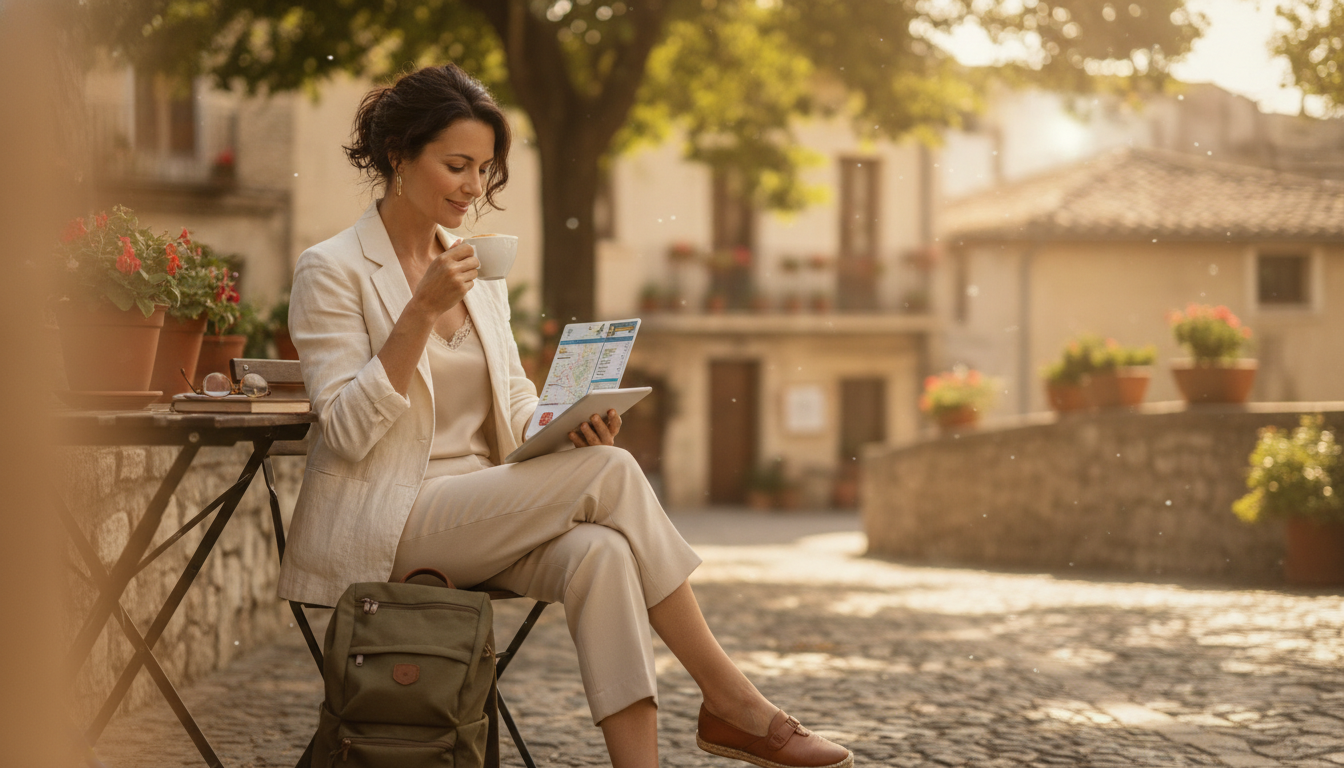
The right luggage organization makes you more flexible on the road. As a solo traveler, you need to be able to find everything quickly without unpacking your whole suitcase.
Packing cubes in three sizes organize your suitcase by category. Small cubes for underwear, medium ones for tops, large ones for pants. This compresses clothing and keeps things orderly throughout the trip. If you change rooms often, it saves you time every day.
A laundry bag separates worn clothes from fresh ones. Choose breathable material instead of plastic to prevent odors. On longer trips you'll do laundry along the way - a small pack of travel detergent in single-use packets fits in any side pocket.
You carry a small crossbody bag or fanny pack close to your body on day trips. Important documents, money and your phone belong in here rather than in a backpack you set down. When working on your mental preparation for your first solo vacation, you should also plan for practical safety aspects.
The Right Suitcase for Solo Travelers
A suitcase with four wheels is much easier to maneuver than a model with two wheels. As a solo traveler, you have nobody to help you carry it. Investing in a high-quality model with a TSA lock and sturdy material pays off over the years.
The ideal suitcase size for trips of up to two weeks is 55-65 liters. That corresponds to a medium-sized hard-shell suitcase that also passes as checked luggage. For carry-on-only trips, choose 40 liters at most - most airlines allow up to 22 x 14 x 9 inches.
Extras for Relaxed Travel Over 40
These items make the difference between a functional trip and a comfortable one.
A compact memory foam travel pillow improves sleep quality on planes, trains and in hotels with uncomfortable pillows. Models with a compression bag can be squeezed down to the size of your palm.
Earplugs and a sleep mask belong in your carry-on. Even in good hotels, loud neighbors or early sunlight can disturb your sleep. Silicone earplugs with a 32-decibel noise reduction rating reliably block out disturbing noise.
A refillable water bottle saves money and plastic waste. Models with a built-in water filter let you drink safely even in countries with questionable tap water quality. According to the manufacturer, the LifeStraw filter removes 99.9 percent of bacteria and parasites.
A small journal or notebook captures your travel experiences. Handwritten notes demonstrably stick in the memory better than digital entries. When it comes to making connections on vacation, it also serves as a collection of names and contact details of new acquaintances.
Financial Planning on the Road: Spreading Cash and Cards Wisely
As a solo traveler, you should never be out and about completely without cash. Despite card payments being accepted worldwide, there are situations where only cash works.
Exchange a small amount of foreign currency before you leave - about $50 to $100. That's enough for a taxi, a first meal and tips on arrival day. You'll get a better rate withdrawing larger amounts from an ATM on site.
Spread your cash across at least three hiding places. Some in your wallet for daily expenses, an emergency stash in your locked suitcase, a reserve in the inside pocket of your jacket. That way you can still act if something is stolen or lost.
Tell your bank your destination and travel dates before you leave. Many institutions automatically block cards on unusual foreign transactions to protect against fraud. A quick call prevents your card from being blocked while you're on vacation.
Sustainability on a Solo Trip Over 40: Small Steps with an Impact
Traveling sustainably doesn't mean going without, it means making conscious choices. These things reduce your ecological footprint without costing you comfort.
Solid toiletries save space and plastic. Shampoo bars, bar soap and toothpaste tablets need no liquids and pass carry-on security checks without a problem. A high-quality shampoo bar replaces about three 7-ounce bottles.
Cloth bags for shopping weigh nothing and fold up small. In many countries, plastic bags now cost money or are banned. A lightweight cloth bag in your daypack makes you independent.
Reusable cutlery made of bamboo or stainless steel avoids single-use plastic at street food stands or picnics. Sets with a fork, spoon, knife and straw weigh under 3.5 ounces and fit in any handbag.
Digital Tools: Apps That Make Traveling Alone Easier
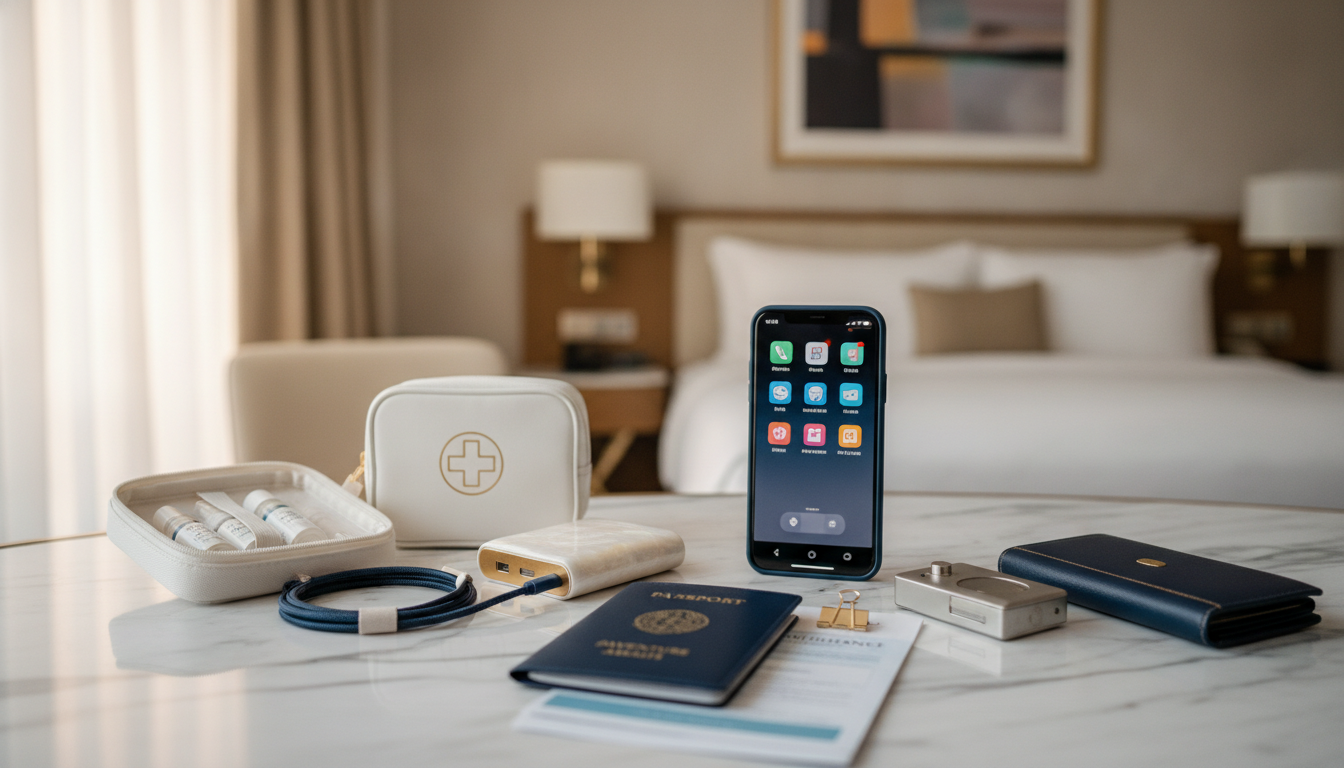
The right apps on your smartphone replace several physical items and greatly expand your options on the road.
Google Translate with offline language packs translates menus, signs and conversations in real time. The camera function recognizes text in images and translates it directly on the display. Download language packs before you leave for translations without internet.
XE Currency converts prices in real time. That helps you judge fair prices at markets or on taxi rides. This app also works offline after you update the exchange rates once.
TripIt automatically organizes all your booking confirmations into one itinerary. Simply forward confirmation emails, and the app builds a clear schedule from them with addresses, times and booking numbers. With several singles trip providers, lots of booking details quickly pile up - this app keeps track.
Safety Apps for Solo Travelers
Cairn is a free safety app designed specifically for solo travelers. You define contact persons and travel periods. If you don't check in within the deadlines you set yourself, your emergency contacts automatically receive a message with your last location.
Life360 shares your location in real time with selected people. That gives loved ones a sense of security and gives you the certainty that someone knows where you are in an emergency. Location sharing can be paused or ended at any time.
Cultural Adaptation: Clothing and Behavior
As a solo traveler over 40, woman or man, you move through different cultural contexts. The right preparation avoids uncomfortable situations.
Research the dress codes of your destination. In conservative countries, a light scarf or sarong belongs in your luggage to cover shoulders and legs when visiting temples. A thin cotton cloth weighs almost nothing and serves this purpose perfectly.
A wedding ring - even without an actual marriage - reduces unwanted advances in some cultures. That's not deception, it's practical protection from pushy situations. A simple stainless steel ring costs a few dollars and can work as a preventive measure.
Learn five to ten basic phrases in the local language. Hello, thank you, please, excuse me and where is the bathroom open doors and show respect. The free app Duolingo teaches the basics in short lessons.
Practical FAQ on the Solo Travel Over 40 Packing List
How much luggage do I really need for a two-week solo trip over 40?
A medium-sized suitcase with 55-65 liters of volume is entirely enough for two-week trips. With the 5-4-3-2-1 method (five tops, four bottoms, three pairs of shoes, two accessories, one hat) and the occasional wash, you'll get by easily without hauling too much.
What safety gear is essential on singles trips?
A door stopper alarm, RFID blockers for credit cards and a compact flashlight make up the basic safety gear. Digital copies of all documents in the cloud and keeping cash and cards stored separately add considerably to your safety.
Should I buy a local SIM card or use roaming?
Within the EU, roaming has been free since 2017. Outside Europe, local SIM cards almost always pay off - they cost between $5 and $15 and avoid expensive roaming fees. Check beforehand whether your smartphone is unlocked.
How do I organize my first aid kit as a solo traveler?
Pack regular medications with five days' extra and split them between carry-on and checked luggage. Add pain relievers, stomach and digestive remedies, blister pads, disinfectant and a digital thermometer. For prescription medications, bring a doctor's note in English.
What tech gear really makes traveling alone easier?
A 10,000 mAh power bank, a universal travel adapter with USB ports and offline maps on your smartphone make up the basic setup. Apps like Google Translate, XE Currency and a safety app like Cairn expand your options without adding weight to your luggage.
Conclusion: Your Solo Trip Over 40 Starts with the Right Packing List
A well-thought-out packing list makes the difference between stress and relaxation on your solo trip over 40. The key points: digital document copies, a robust safety system of door stopper and RFID protection, a complete first aid kit and basic tech gear with a power bank and universal adapter. Packing less clothing following the 5-4-3-2-1 principle reduces luggage weight without costing comfort.
Start your packing list three weeks before you leave. Add to it step by step and cross out unnecessary things again. The day before you leave, lay everything out and only then pack. This method prevents overpacking and forgotten essentials. Your suitcase becomes a reliable companion instead of a burden - and you set off confidently on your next adventure as a solo traveler.