Mediterranean Island Hopping: Dream Routes for Travelers Over 40
Reading time: 10 minutes
Imagine waking up to an ocean view on Santorini, sipping your coffee on a terrace in Hvar, and watching the sunset in Malta, all on a single trip. Mediterranean island hopping offers exactly this freedom, without tying you to rigid group tours. For singles over 40, this style of travel is ideal: you set the pace, choose the islands based on your interests, and make genuine connections along the way.
Ferry connections between the Mediterranean islands are better developed today than ever before. Operators like Blue Star Ferries, Jadrolinija, and Grimaldi Lines have increased their capacity by an average of 18 percent since 2022, according to the Mediterranean Ferry Council. That makes spontaneous island hopping much easier, perfect for anyone who values flexibility on vacation.
Why Mediterranean island hopping is perfect for singles over 40
Unlike classic package tours, island hopping lets you decide how long to stay in each place. Travelers over 40, who already know what they like, especially value this independence. You can decide on the spur of the moment in the morning whether to stay on an island two days longer or move on.
The chance to meet like-minded people along the way makes island hopping an ideal way to travel for singles. Casual conversations often spring up in harbor tavernas, on ferries, or on hikes. Many accommodations offer common areas where solo travelers swap stories.
Island hopping also scores on cost. Instead of pricey single supplements, many islands offer charming studios or guesthouses at fair prices. According to a 2023 study by the European Travel Commission, solo travelers pay an average of 23 percent less when island hopping than on classic hotel stays with a single supplement.
The most beautiful Greek islands for island hopping over 40
The Greek islands remain the classic choice for Mediterranean island hopping. The Aegean islands offer ideal conditions for first-timers and experienced island hoppers alike.
Cyclades route: Santorini, Naxos, and Paros
This route links three islands with strong character, with a maximum of two hours of ferry time. Santorini impresses with its white houses and spectacular sunsets in Oia. However, the island is heavily crowded from May through September. A tip: visit Santorini in early October, when temperatures are still around 75°F (24°C) but fewer cruise ships dock.
As the largest of the Cycladic islands, Naxos offers more peace and authentic Greek life. The main town, Chora, combines Venetian architecture with relaxed tavernas. Agios Prokopios beach in particular is great for easygoing beach days. The ferry from Santorini to Naxos takes about 1.5 hours with Blue Star Ferries and costs between $30 and $50, depending on the season.
Paros completes the trio with its picturesque harbor at Naoussa. The island combines swimming coves with lively villages. Golden Beach attracts not only surfers but also travelers who enjoy both active and relaxed vacation days. Up to eight ferries run daily from Naxos to Paros, and the crossing usually takes under 45 minutes.
Dodecanese route: Rhodes, Symi, and Kos
The Dodecanese islands off the Turkish coast offer historic variety and turquoise water. The city of Rhodes, with its medieval old town, has been a UNESCO World Heritage Site since 1988. The Street of the Knights and the Palace of the Grand Master take you back to the Middle Ages. For beach lovers, Lindos with its acropolis and picturesque bay is a good choice.
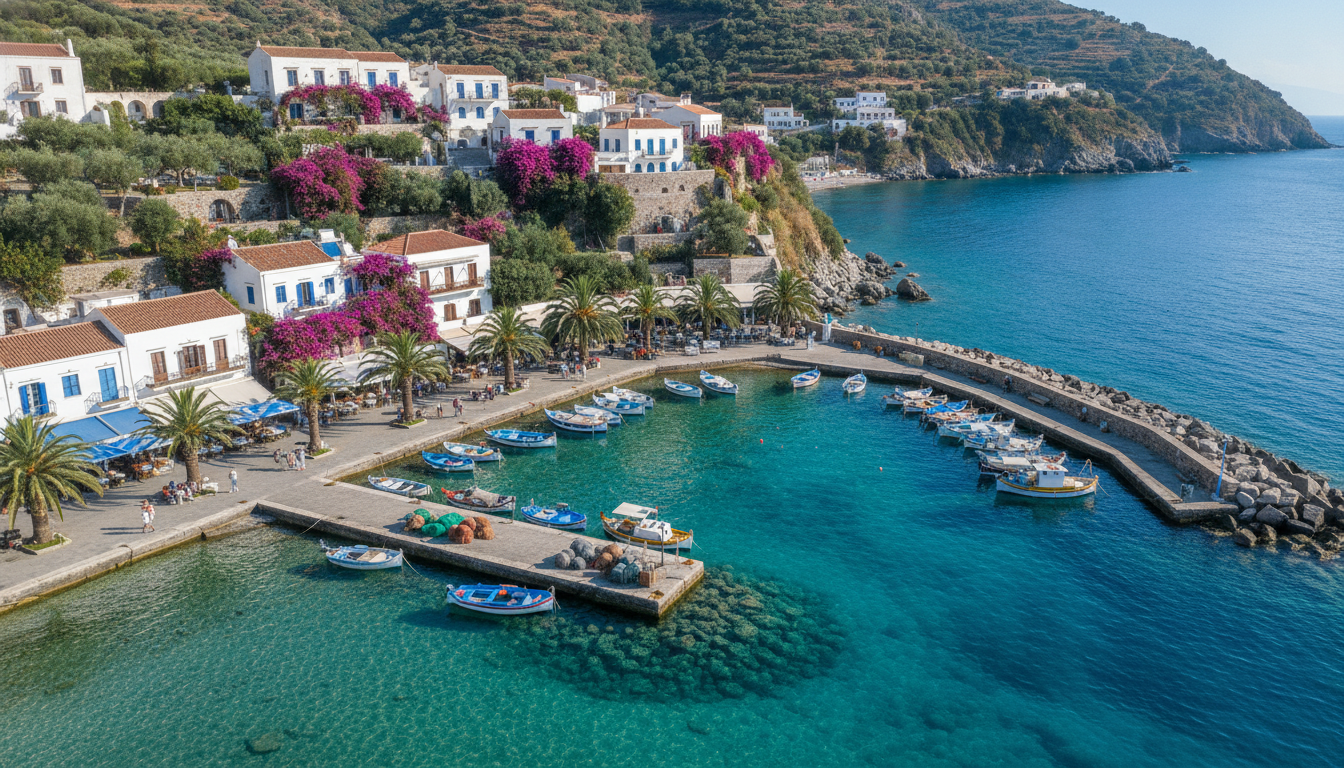
Tiny Symi captivates with pastel-colored houses arranged like an amphitheater around the harbor. You can reach the island from Rhodes daily by catamaran in about 50 minutes. Symi is perfect for quiet days between more active island stops. Panormitis Bay with its monastery offers spiritual calm.
Kos combines ancient sites with modern comforts. The Asklepieion, an ancient healing sanctuary from the 4th century BC, lies just 2.5 miles (4 kilometers) from Kos Town. The island offers excellent bike paths for exploring the coast at a relaxed pace. The ferry connection between Rhodes and Kos via Symi can be planned flexibly.
Croatian islands: an undiscovered gem for Mediterranean routes
The Dalmatian coast is increasingly becoming an alternative to the Greek islands. The region around Split and Dubrovnik in particular offers excellent starting points for island hopping.
Split as the perfect starting point
From Split you can reach the islands of Brac, Hvar, Vis, and Solta within two hours. Jadrolinija ferries run several times a day and allow spontaneous route changes. A seven-day pass costs about $95 and allows unlimited trips between the islands.
Hvar is considered Croatia's sunniest island, with an average of 2,724 hours of sunshine per year according to the Croatian weather service. The old town of Hvar Town combines Venetian architecture with modern restaurants and bars. Contrary to what you might expect, away from the main town you'll find quiet coves like Dubovica or Zavala.
Vis was a restricted military zone until 1989 and has preserved an authentic charm as a result. You can reach the Blue Cave on the neighboring island of Bisevo by small boat. Between 11 a.m. and noon, the play of light bathes the cave in magical blue. Vis also has excellent wineries that offer tastings for wine lovers.
Practical planning: how to make your Mediterranean island hopping work
Preparation decides between relaxation and stress on the road. These concrete tips will help you plan your route efficiently.
Best travel season for ferry connections
May, June, September, and October offer ideal conditions. Temperatures range from 72 to 82°F (22 to 28°C), ferries run regularly, and accommodations are far cheaper than in high summer. In July and August, prices rise by up to 60 percent, and many ferries are booked out weeks in advance.
For the Greek islands, the best windows are May 15 to June 30 and September 1 to October 15. The Croatian islands show their best side from mid-May through the end of June and in September. In October, many Croatian ferry lines already reduce their frequencies significantly.
Booking strategies for flexible routes
Book only your first accommodation and your first two ferry connections in advance. Plan all further stops along the way. This strategy allows maximum flexibility and prevents stress from fixed schedules. Platforms like Ferryhopper or Direct Ferries allow bookings up to 24 hours before departure.
For accommodations, booking sites with free cancellation up to 24 hours before arrival work well. Many smaller guesthouses and studios can also be booked on the spot. Especially in the off-season, you'll find charming places to stay spontaneously at fair prices. You should plan an emergency budget of about $110 per day in case spontaneous changes become necessary.
Packing essentials for island hopping
A backpack or wheeled suitcase of no more than 33 pounds (15 kilograms) makes frequent transfers much easier. Cobblestones and ferry stairs turn heavy luggage into a burden. Pack clothes for five to seven days and plan for laundry options. Most accommodations offer washing machines or laundry service.
Important documents like your passport, insurance papers, and ferry tickets should be carried both digitally and printed out. A waterproof bag protects electronics on ferries in rough seas. High-quality sunscreen is much more expensive on the islands than back home, so pack plenty.
Alternative Mediterranean routes off the beaten path
Besides Greece and Croatia, other Mediterranean regions offer exciting island hopping options for experienced solo travelers.
Balearic Islands: Mallorca, Menorca, and Ibiza
The Balearics combine Spanish lifestyle with short ferry distances. From Palma on Mallorca, you reach Menorca in three hours with Balearia. Menorca scores with unspoiled coves like Cala Macarella and prehistoric sites. In 1993, the island was designated a UNESCO Biosphere Reserve.
Ibiza offers more than party beaches. The old town, Dalt Vila, has been a UNESCO World Heritage Site since 1999. The north coast, with towns like Santa Gertrudis, shows the authentic Ibiza. The ferry from Menorca to Ibiza takes about two hours and costs between $40 and $65, depending on the season.
Maltese archipelago: compact island hopping
Malta, Gozo, and Comino form a compact archipelago, perfect for a week of island hopping. The main island of Malta packs 7,000 years of history into 122 square miles (316 square kilometers). The megalithic temples of Hagar Qim date back to 3600 BC and are among the oldest freestanding structures in the world.
Gozo radiates rural calm. The Citadel in Victoria offers panoramic views across the entire island. Comino, in between, captivates with the world-famous Blue Lagoon. Ferries between the islands run hourly and cost between $5 and $9 per crossing.
Budget planning for Mediterranean island hopping
A transparent overview of costs helps with realistic planning. Expenses vary considerably depending on the route and travel style.
- Ferry tickets: Expect $15 to $50 per crossing between nearby islands; longer routes cost up to $90
- Accommodations: Studios and guesthouses cost between $40 and $65 per night in the off-season; in high summer, prices rise to $90 to $130
- Food: Local tavernas offer main dishes for $9 to $17, and supermarkets allow you to self-cater for about $13 a day
- Local transport: Buses cost between $1.50 and $3.50 per ride, and rental scooters about $22 to $33 a day
- Activities: Museums and archaeological sites usually charge $5 to $13 admission, and guided tours cost between $28 and $55
A realistic daily budget is between $80 and $130, depending on your accommodation standard and food. With smart planning and local providers, you can significantly optimize costs. Many islands have weekly markets with fresh regional products at low prices.
Safety and solo travel: what you should know
Both the Greek and the Croatian islands are considered very safe destinations for solo travelers. Germany's Federal Foreign Office places both countries in the lowest risk category. Still, you should observe basic precautions.
Tell friends or family about your planned route and check in regularly. Most islands now have good mobile coverage, and reception may be weak only in remote mountain regions. A European Health Insurance Card (for EU residents) covers basic medical care; an international travel health insurance with repatriation costs about $13 for two weeks.
On ferries, keep valuables close to your body. Pickpockets operate especially on the crowded high-season ferries. Use waterproof belt bags for your passport and cash. According to Eurostat, the crime rate on the islands is well below the European average.
Making connections while Mediterranean island hopping
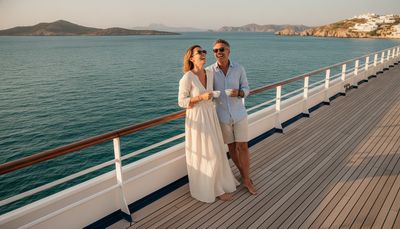
Shared ferry rides offer natural conversation starters. Many solo travelers sit on deck and welcome a chat. A simple conversation about destinations often leads to spontaneous joint outings or restaurant visits.
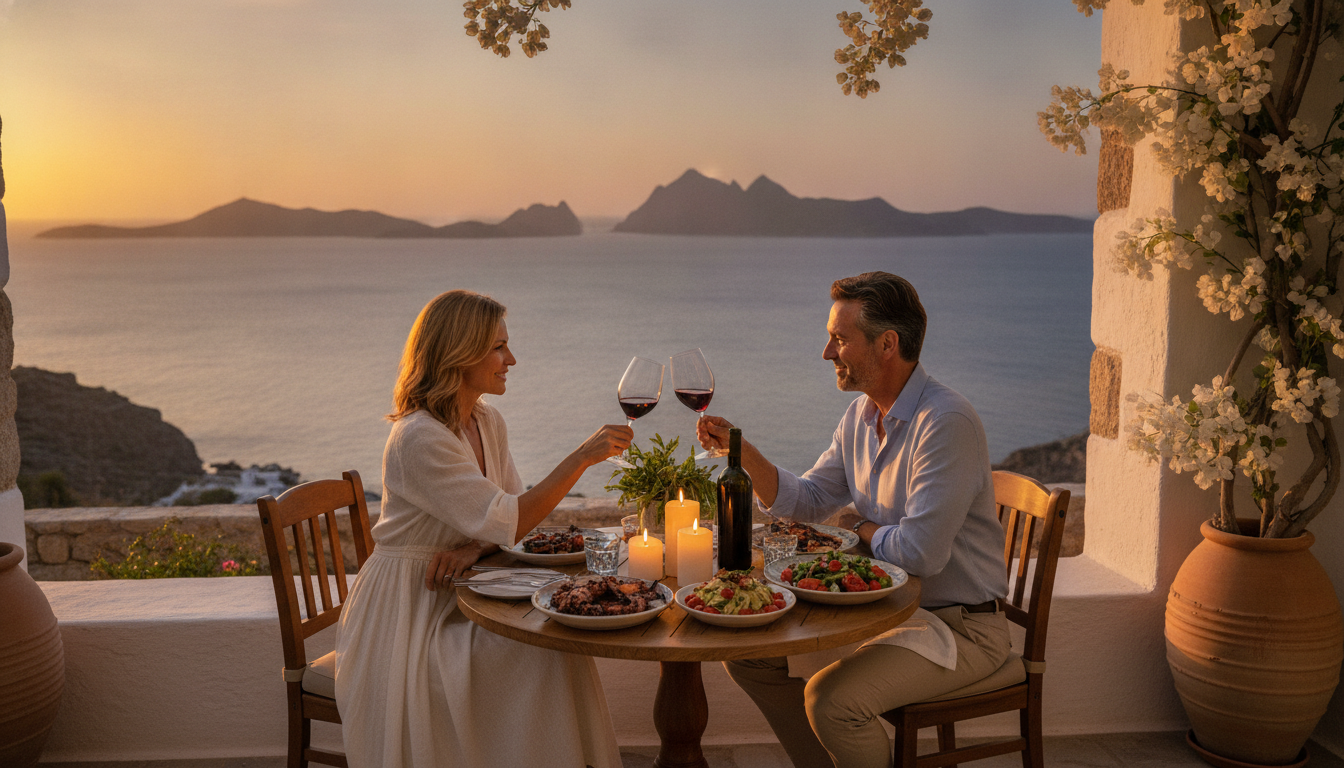
Harbor tavernas serve as social hubs. Travelers and locals gather especially at sunset. Sit at the bar rather than at a table for one; it signals openness to conversation. Cooking or wine-tasting classes on the islands usually bring together international participants and create a relaxed atmosphere.
Hiking groups on the islands welcome spontaneous participants. On Crete, for example, the Alpine Club organizes regular tours that visitors can join too. Activities like these combine physical exercise with social exchange, no pressure.
Frequently asked questions about Mediterranean island hopping
How many islands should you visit on your first island-hopping trip?
For first-timers, three to four islands in two weeks are recommended. That allows a relaxed pace without rushing. Plan at least three full days per island to soak up the atmosphere rather than just ticking off sights. Arrival and departure days are usually half days because of ferry times.
Do I have to book all the ferries in advance?
In high season, July and August, you should book the main connections in advance, especially to popular islands like Santorini or Mykonos. In the off-season, it's usually enough to buy tickets the day before. Platforms like Ferryhopper show real-time availability. Book the first ferry in advance, then stay flexible.
What language skills do I need?
Basic English is completely sufficient on all islands developed for tourism. In remote villages, a translation app like Google Translate helps out. A few basic Greek and Croatian words like thank you, please, and hello open doors and hearts. People appreciate every attempt to speak their language.
How do I find accommodations at short notice?
Outside of high season, you can spontaneously find good places to stay. Harbor towns often have small guesthouses that can't be booked online. Ask for recommendations in tavernas or look out for "rooms to let" signs. Booking.com and Airbnb also show last-minute availability; filter for instant confirmation.
What do I do in bad weather or if a ferry is canceled?
Storms can lead to ferry cancellations, especially in spring and fall. Plan buffer days if you have a fixed return flight. If the ferry company cancels, you receive a refund or free rebooking. Travel insurance with a weather clause costs about $28 for two weeks and covers additional overnight costs.
Conclusion: your next Mediterranean adventure awaits
Mediterranean island hopping combines freedom, culture, and relaxation, perfect for singles over 40. The well-developed ferry connections between Greek islands or along the Croatian coast make spontaneous route changes easy. You set the pace and the focus yourself, whether that's historic sites, secluded coves, or sociable harbor towns.
The best time for your island hopping is between May and June and in September and October. Then you get pleasant weather without the high-season crowds. Book only the first stops and stay flexible after that. With a daily budget of $80 to $130, you can combine comfort with authentic experiences.
Start with a classic route like the Cyclades or the Croatian coast. These regions offer perfect infrastructure for beginners. Later, you can explore lesser-known routes like the Maltese archipelago or the Dodecanese islands. Every route has its own charms and opportunities to meet like-minded people.
Pack your backpack light, stay open to spontaneous encounters, and enjoy the freedom of island hopping. The Mediterranean islands are waiting for you to discover them. Which route speaks to you? Plan your first island-hopping day now and experience vacation in a whole new dimension.